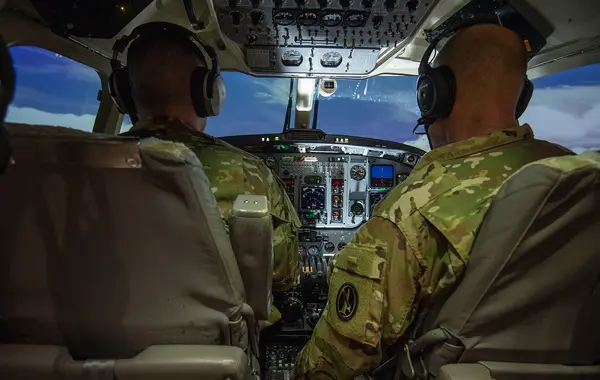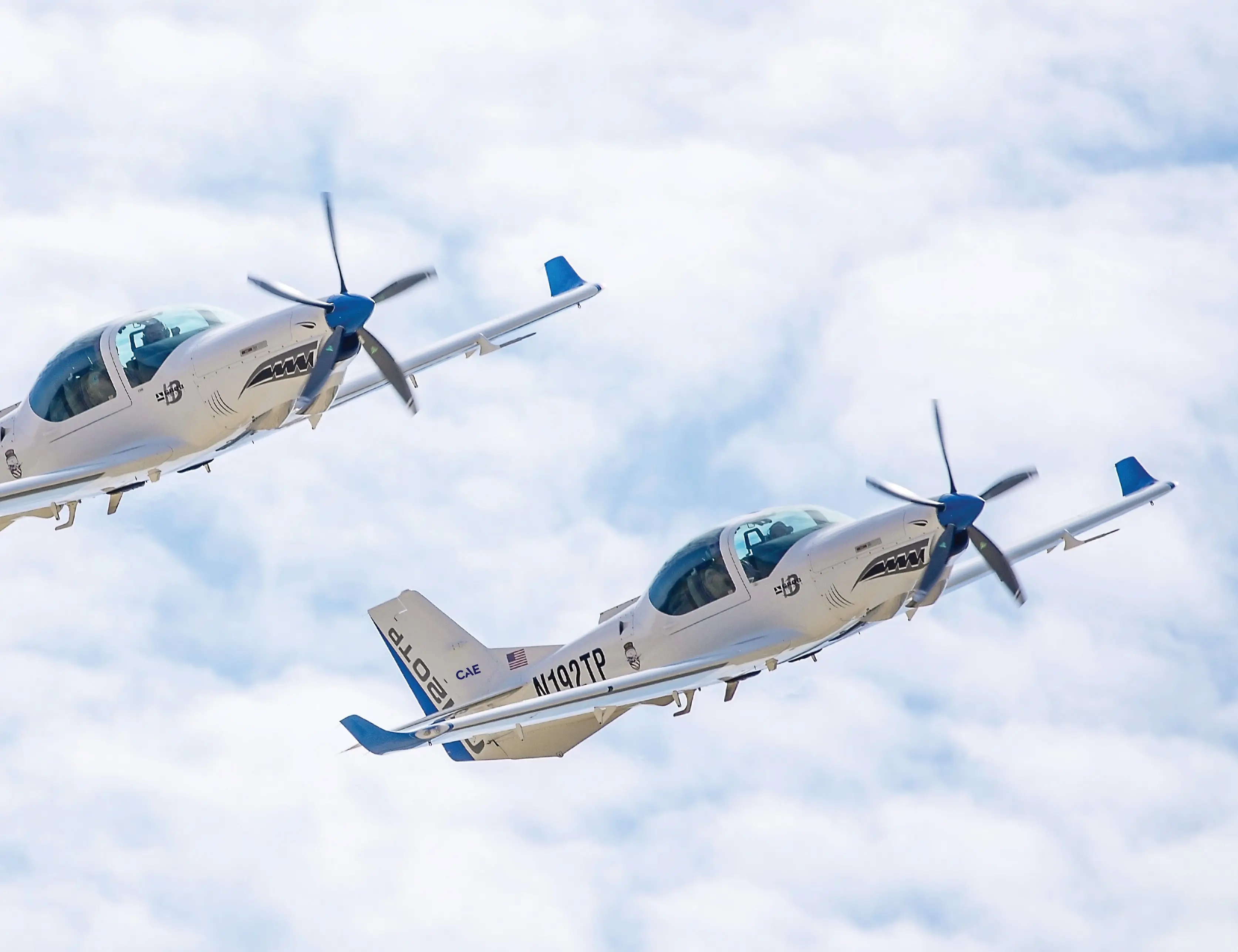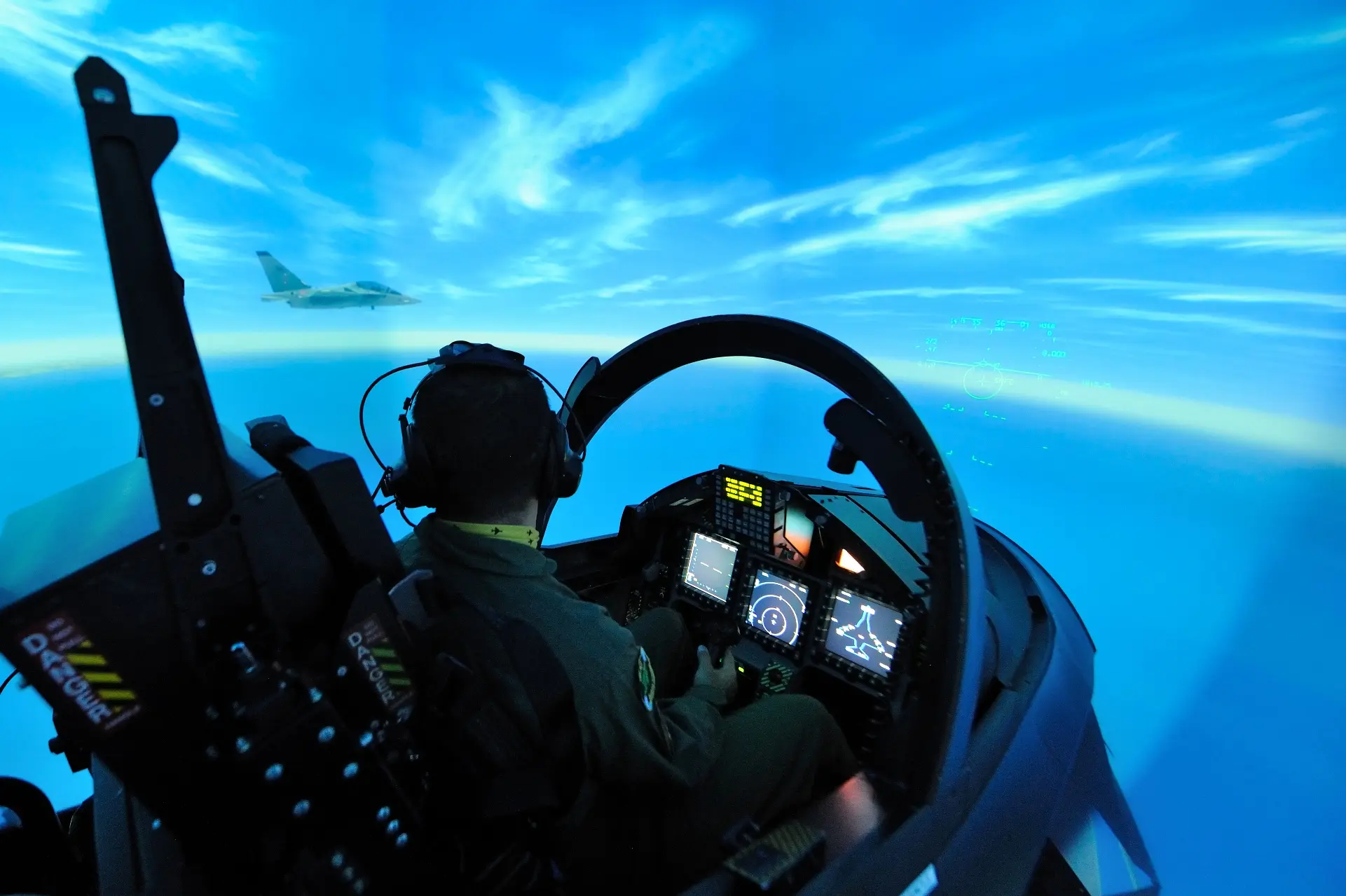

CAE Defense & Security is at the leading edge of digital immersion offering a comprehensive portfolio of training and operational support solutions across multi-domain operations – air, land, maritime, space and cyber – in addition to serving governments and public safety organizations. Our long standing partnerships with military and government authorities have enabled CAE to successfully design, integrate, and sustain complex training ecosystems that operate at scale and under regulatory environments in the Indo-Pacific, United States, Canada, United Kingdom and Europe, and the Middle East.
Our regional operations are focused on delivering training as a core pillar of air power and air superiority. CAE offers an established regional presence, leveraging local expertise and capabilities that are essential for integrating technology, achieving operational readiness, and protecting national security and interests.
📍Booth #A-S31
Changi Exhibition Centre, Singapore
Tue, February 3 | 11:30 AM - 5:00 PM
Wed, February 4 | 9:30 AM – 5:00 PM
Thu, February 5 | 9:30 AM – 5:00 PM
Fri, February 6 | 9:30 AM – 5:00 PM
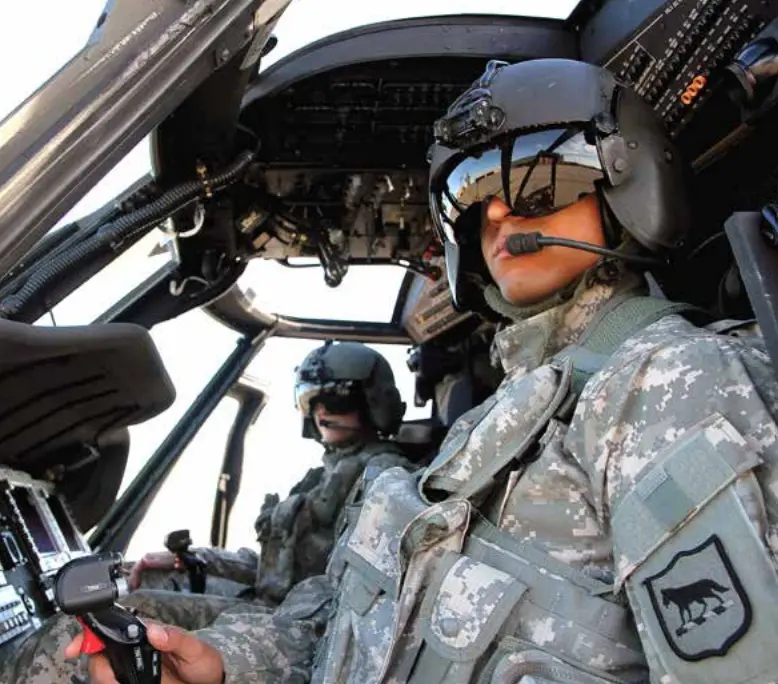
Our focus on training, simulation, and mission rehearsal, as well as the skill and imagination of our people, has helped us pioneer many of the innovations related to helicopter simulation over the past several decades. Our technology leadership is evidenced in the following areas. CAE has simulated helicopters from virtually all the major manufacturers, including Airbus Helicopters, Bell, Boeing, Hindustan Aeronautics Limited (HAL), Kaman, Leonardo Helicopters, MD Helicopters, NHIndustries, and Lockheed Martin/Sikorsky.
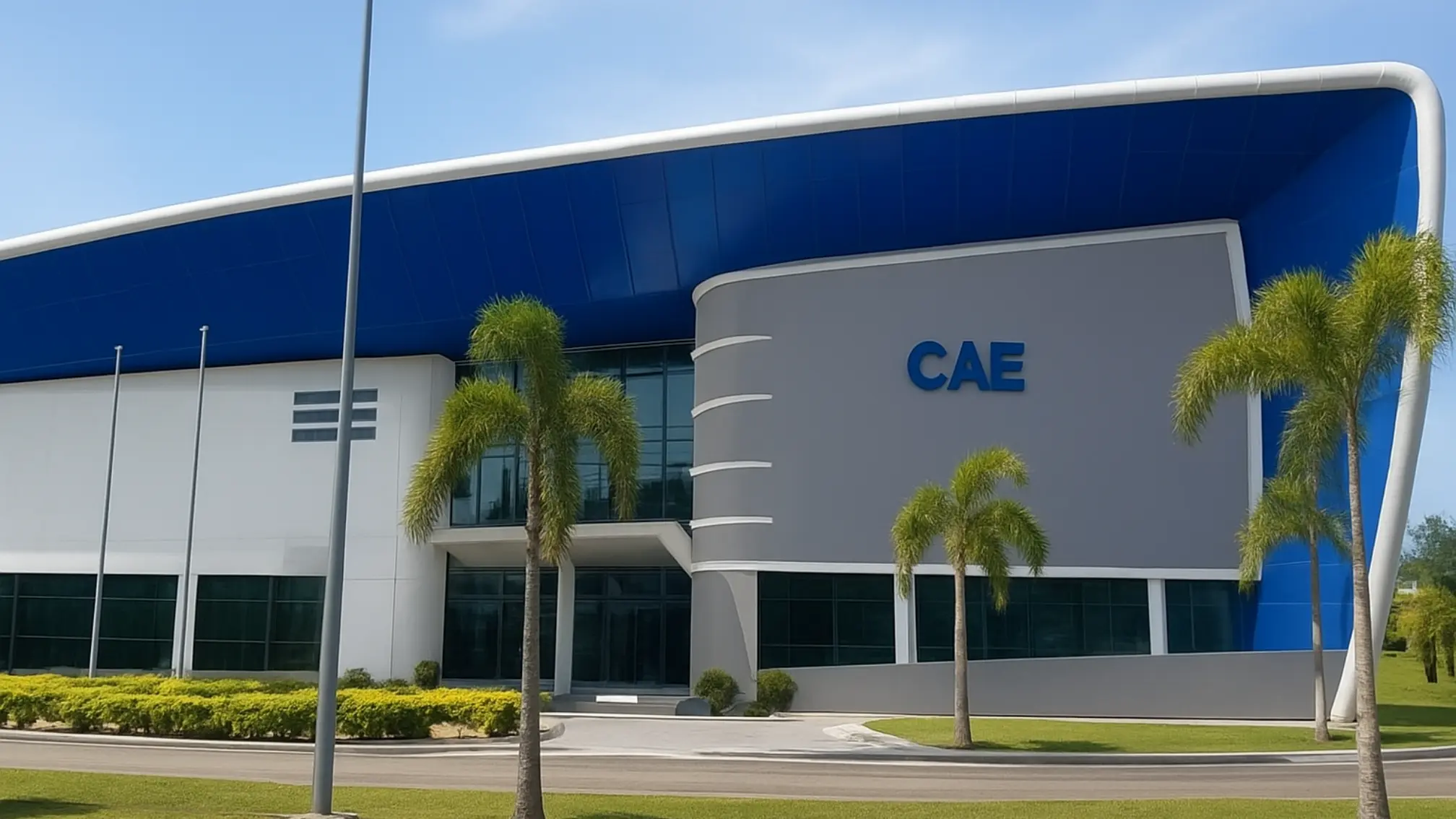
The CAE Brunei Multi-Purpose Training Centre situated in Brunei Darussalam is a joint venture between CAE and the Government of Brunei. The centre has been operational since 2014 and is now recognized as a world-class training facility, staffed and operated by Bruneians. It is one of the region's largest helicopter simulator training facilities offering turnkey training solutions for the Lockheed Martin/Sikorsky S-92 and S-70i Black Hawk helicopters.
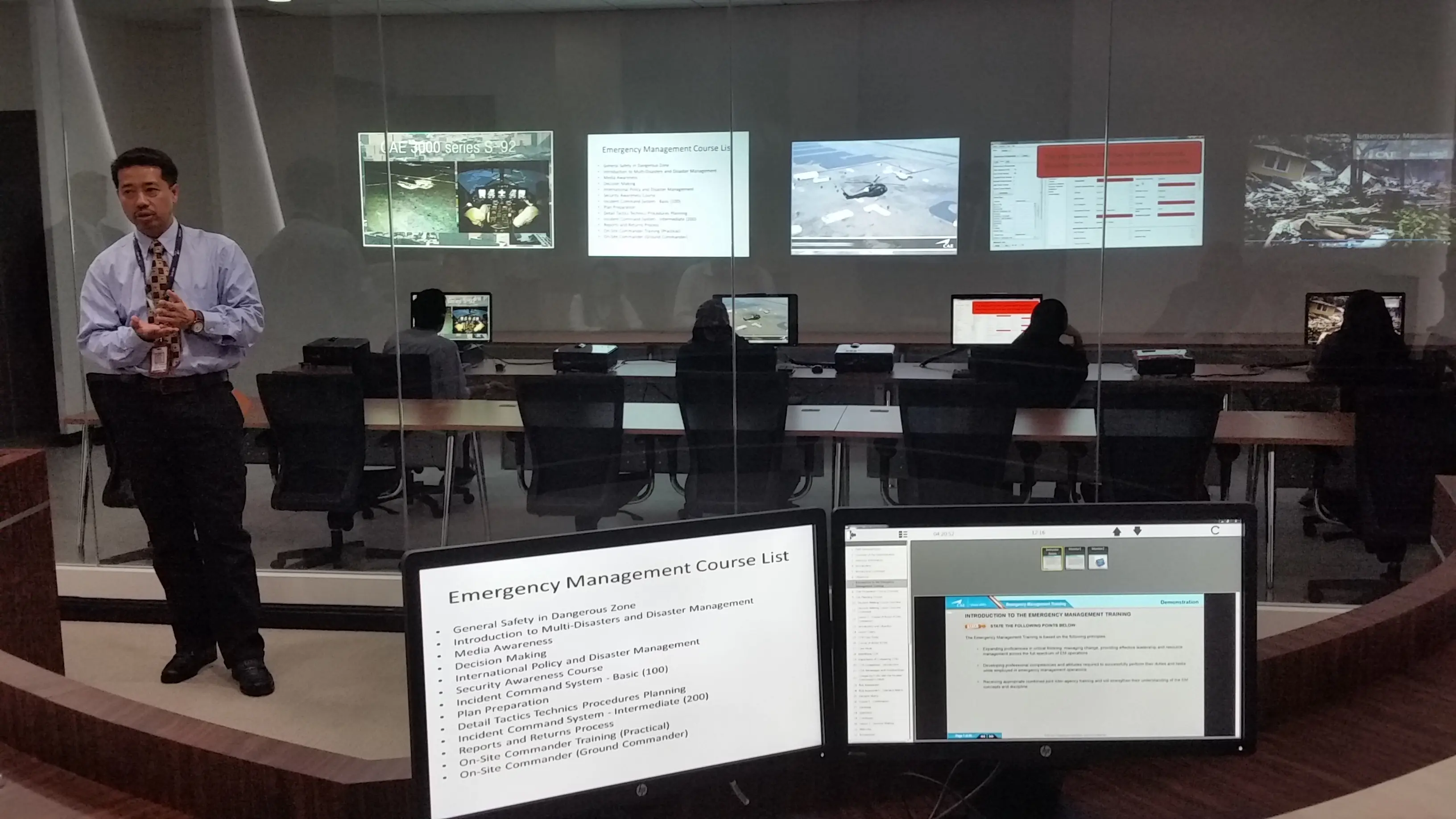
From turnkey training centres to tailored live, virtual, and constructive solutions at government-owned locations, we are everywhere our customers need us to be with a global network and the local expertise to deliver training efficacy at all proficiency levels.
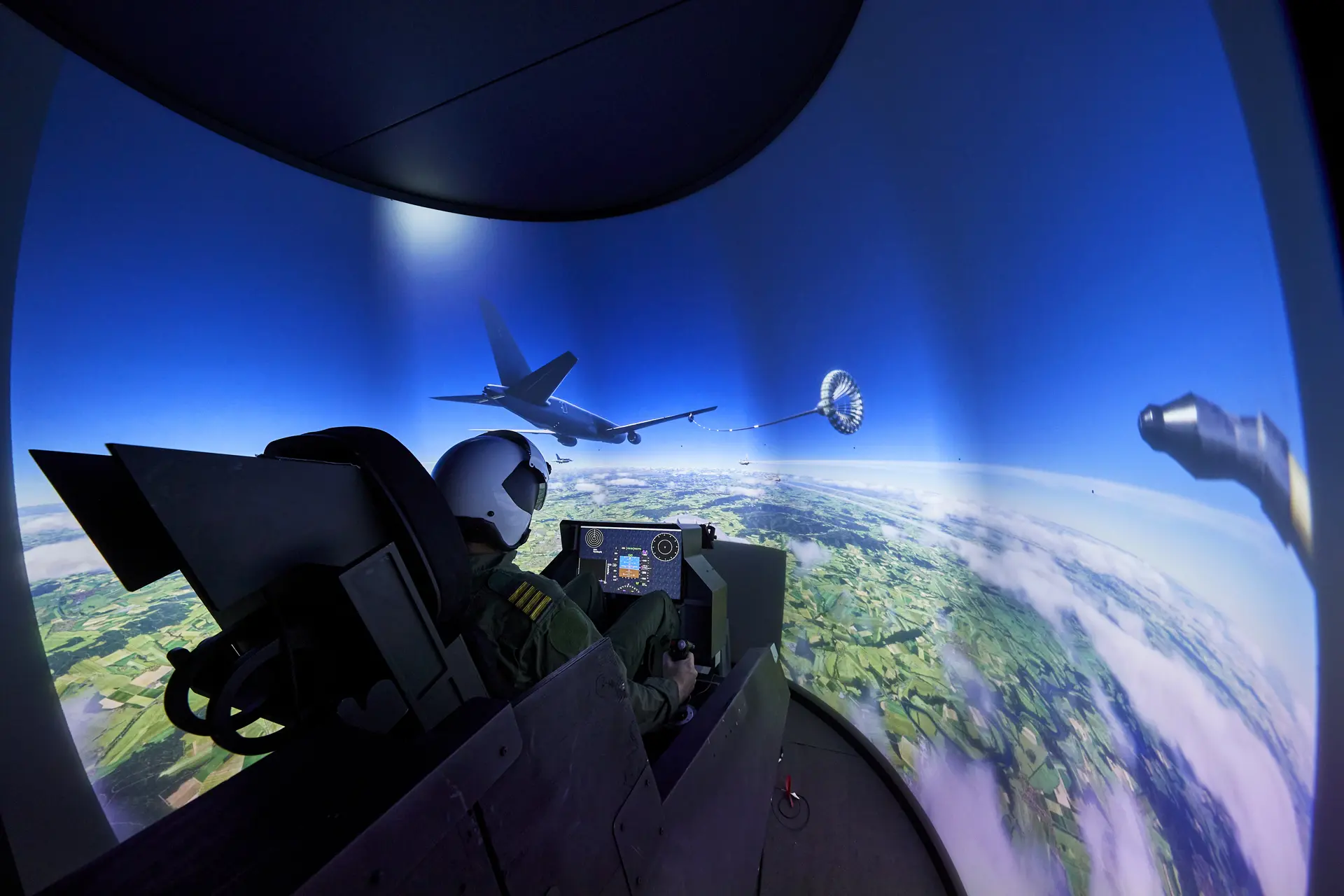
We leverage our core training and simulation expertise with advanced digital technologies to deliver innovative and scalable solutions that address military training modernization and enhanced mission support requirements.

CAE Blueprint for Training Transformation
CAE has undertaken to release a series of articles written collaboratively by our experts from across the globe. The objective of these articles is to provide a clear overview of the what, the why and the way forward.
A challenge years in the making, the issues around the pilot shortage are too complex and diverse for a speedy resolution. A path of planned incremental change will be needed to address the problem while mitigating the disruption that change of this scope will necessarily bring.
These articles outline the key issues and the critical enablers to foster the discourse, inform the decisions and advance the progress to deliver innovative and scalable solutions that address military training modernization and enhanced mission support requirements. Download the PDFs below:
As global security threats evolve, traditional military training models are proving inadequate. Geopolitical tensions, “Digital Native” recruits, and rapid technological advancements necessitate a shift toward agile, tech-driven training methods. Legacy pilot training programs, based on rigid curricula, must be replaced with AI-driven, immersive simulations to enhance proficiency, reduce costs, and accelerate readiness. Recruitment and retention challenges further strain military preparedness, requiring modernized training that aligns with new learning preferences. Partnering with private industry enables the integration of cutting-edge technologies, optimizing training efficiency while freeing military resources for operational needs. In an era of constrained response windows, military forces must prioritize strategic risk management. A shift to student-centric, digitally enabled learning ecosystems will improve training quality, accessibility, and efficiency – ensuring operational superiority in future conflicts
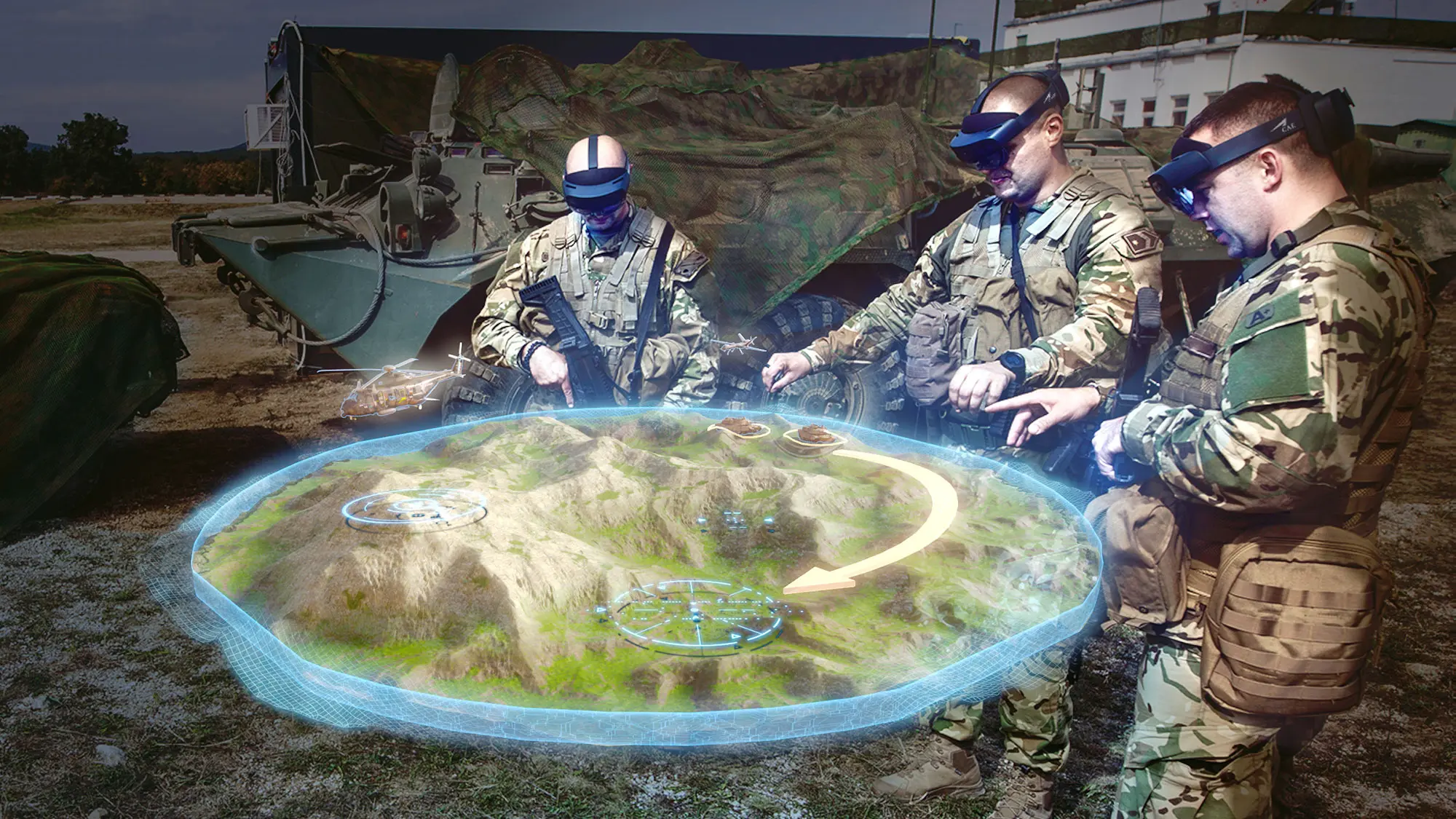
Outdated, instructor-driven approaches are inefficient, costly, and misaligned with the needs of “Digital Native” recruits. Meanwhile, advances in learning science, immersive simulation, and data analytics present new opportunities to enhance training effectiveness and adaptability. This article examines the transition from legacy training methods to Learning Ecosystems, which integrate competencybased instruction, Extended Reality (XR), and adaptive digital tools to improve skill acquisition and operational readiness. By shifting the focus from rigid, centralized instruction to personalized, data-driven learning, defence organizations can optimize training outcomes while addressing critical recruitment and retention challenges. To remain competitive, modern armed forces must embrace these innovations, leveraging technology and strategic partnerships to create scalable, efficient training solutions that prepare warfighters for the realities of contemporary combat.

Instructional Design (ID) provides a structured framework for training development, ensuring learners acquire the necessary Knowledge, Skills, Abilities, and Behaviours (KSABs) to meet operational demands. The ADDIE model remains a widely used foundation, but to remain effective, it must be integrated with real-time data analytics, AI-driven learning, and simulation-based training to optimize instruction. A shift toward competency-based, adaptive learning environments will improve skill retention, mission readiness, and resource efficiency. By leveraging automated data collection, predictive analytics, and AI-powered personalization, defence organizations can enhance training effectiveness while maintaining standardized outcomes. As training methodologies continue to evolve, adopting a flexible, scalable, and data-driven approach will be critical to ensuring military personnel are equipped to handle the challenges of 21st-century warfare.

The Integrated Learning Ecosystem (ILE) offers a holistic, system-of-systems approach that leverages real-time data analytics, AI-driven insights, and personalized learning paths to optimize training outcomes. By centralizing data collection and performance tracking, the ILE enhances instructor efficiency, student engagement, and overall training system performance. It supports competency-based learning by aligning courseware, training devices, and operational needs with evolving defence requirements. Additionally, the ILE enables seamless interoperability, predictive analytics, and automation, reducing administrative burdens while improving skill acquisition and mission readiness. With its modular, scalable design, the ILE helps organizations bridge the gap between training and real-world operational demands, ensuring personnel are effectively prepared for modern defence environments. Implementing a comprehensive data strategy within the ILE framework will be key to maintaining training resilience, efficiency, and relevance in an era of rapidly evolving defence technologies.

Resilient organizations continually adapt to evolving operational requirements, technological advancements, and changing demographics. Military training systems, however, have remained largely unchanged for decades, leading to inefficiencies and personnel shortages. To address this, training programs must adopt competencybased and adaptive learning models, leveraging emerging technologies, data analytics, and instructional science. A resilient training system integrates real-time performance tracking, personalized learning pathways, and continuous evaluation to ensure efficiency and mission readiness. The Integrated Learning Environment (ILE) provides a holistic, data-driven framework that enhances instructor effectiveness, student engagement, and overall training outcomes. By transitioning from reactive to proactive training strategies, organizations can optimize resources, improve adaptability, and future-proof their workforce. Emphasizing competency-based instruction, adaptive learning, and scalable data solutions is essential to ensuring that training remains relevant, efficient, and capable of preparing personnel for the challenges of defence environments - today and tomorrow.